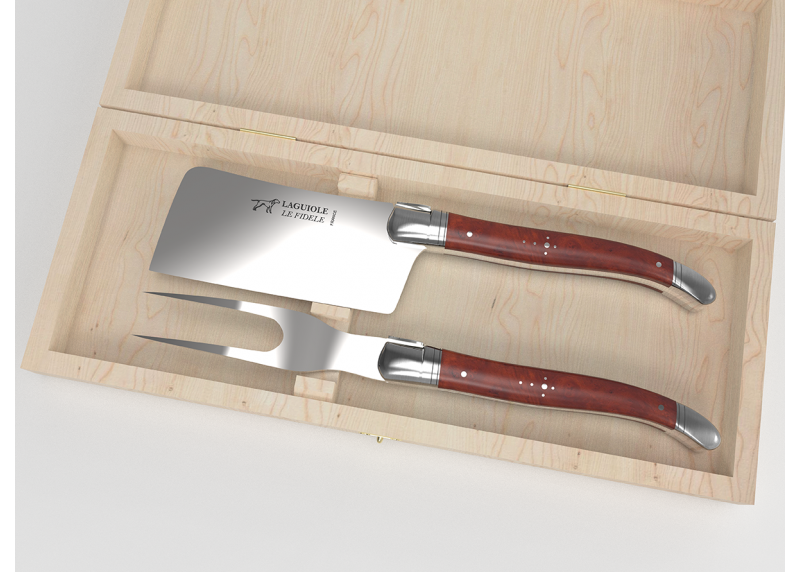
Laguiole knives have a reputation as gifts and collectibles, but plenty of chefs and serious home cooks actually rely on them for genuine kitchen work. This article explores what makes these pieces suitable for real cooking tasks, not just display shelves.
Highlights
- Traditional blade shaping supports precise, controlled cutting
- Handle materials are chosen for grip stability during food prep
- Sourcing quality directly affects how well a kitchen piece performs
What Makes a Laguiole Knife Suitable for Cooking?
Kitchen versions are built with fixed blades designed specifically for repeated cutting tasks rather than folding portability. The blade shape and edge geometry are optimized for control during slicing and chopping, which matters far more in a working kitchen than decorative appeal.
How Does Handle Design Support Kitchen Use?
Kitchen focused handles prioritize a stable, comfortable grip that holds up during extended prep sessions. Materials like wood or horn, when properly finished, offer a secure feel that many cooks genuinely prefer over slicker synthetic handles used on some modern kitchen knives.
Do Professional Chefs Actually Use These Knives?
Some do, particularly those who appreciate traditional French craftsmanship and want a tool with genuine heritage behind it, not just performance. It's worth noting these knives suit specific cutting tasks well, though most professional kitchens still rely on a broader range of specialized knives for varied prep work.
What Should Home Cooks Expect From Daily Use?
Home cooks generally find these knives handle common tasks, like slicing vegetables or preparing smaller cuts, comfortably and reliably. They're not necessarily a replacement for a full knife set, but they hold their own well for everyday kitchen tasks around the house.
How Does Sourcing Affect Kitchen Performance?
Laguiole French Knives has spent more than 20 years maintaining direct relationships with selected French workshops, closely following how kitchen collections evolve in blade shaping, materials, and finishes over time. That ongoing attention translates into more consistent cutting performance than a business simply importing stock without understanding it.
Cooks specifically seeking dependable kitchen performance should look for laguiole knives sourced through a business that genuinely understands its own workshops, rather than settling for a decorative piece that wasn't actually built with real cutting tasks in mind.
Expert Tips
- Choose a fixed blade kitchen version, not a folding pocket piece, for cooking
- Confirm blade steel type based on how often you'll use the knife
- Dry the blade immediately after each use to prevent rust
- Ask directly about sourcing when choosing a laguiole knife for kitchen use
Final Thoughts
A genuine laguiole knife can absolutely earn its place in a working kitchen, provided it's the right style and sourced properly. Chefs and home cooks who choose these pieces intentionally, rather than purely for looks, tend to appreciate them as reliable daily tools with genuine craftsmanship behind them.
FAQs
Do professional kitchens rely mainly on laguiole knives?
Not exclusively, most kitchens use a broader knife set, though some chefs do incorporate laguiole pieces for specific cutting tasks.
Are pocket versions suitable for cooking?
Not ideally. Fixed blade kitchen versions are better suited for repeated cutting tasks than folding pocket designs.
How often should a kitchen laguiole knife be sharpened?
It depends on frequency of use, but regular home cooking typically calls for sharpening every few months to maintain a clean edge.