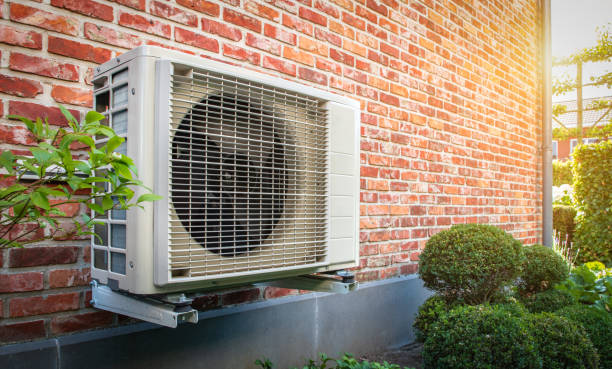
Many homeowners are surprised to learn that a single piece of equipment can manage all seasonal climate needs. A high-quality heat pump air conditioner is designed to provide comprehensive comfort in both sweltering summers and freezing winters. This dual-purpose capability represents a significant advancement in HVAC technology, moving away from the need for separate furnaces or boilers in modern residential construction projects.
The Versatility of a Dual-Function Heat Pump Air Conditioner
The primary advantage of these units is their ability to change functions based on your settings. By moving thermal energy rather than creating it through combustion, these units provide a clean and safe environment. During summer, the unit draws heat out of your living space. During winter, it harvests heat from the outdoor environment, even in low temperatures, to keep your rooms warm.
Operational Modes in a Heat Pump Air Conditioner
Users often ask how a unit can heat when it is already cold outside. Even when the temperature drops, the outside air still contains thermal energy. The advanced refrigerant circulating through the system absorbs this latent energy and compresses it to increase the temperature. This heated refrigerant then flows indoors, where it releases warmth into your living area through the internal air handler.
Seasonal Transition and System Management
Transitioning between seasons is simple with modern remote controllers and smart thermostats. You can program your preferred temperatures, and the unit handles the mode switching automatically. This ensures your home remains comfortable during unpredictable spring or autumn weather, where the outdoor temperature might shift drastically from morning to night. It provides a level of control that older, rigid HVAC systems simply cannot match.
Integrating a Heat Pump Air Conditioner into Residential Spaces
Installation options for these systems are remarkably diverse, making them perfect for almost any floor plan. Whether you need to condition a large open-plan living room or individual bedrooms, there is a configuration to suit your needs. From sleek wall-mounted units to hidden ceiling cassettes, the hardware is designed to blend seamlessly into your home interior without occupying valuable floor space.
Zoning and Multi-Room Climate Control
Multi-zone systems are particularly beneficial for homes with varying heating or cooling requirements. You can set different temperatures for the kitchen, bedrooms, and home office independently. This prevents energy waste in unoccupied rooms while ensuring maximum comfort where you spend your time. Such precise control is a hallmark of modern ductless technology, offering a premium living experience tailored to your daily schedule.
Efficiency Gains in Daily Operation
Because these units move heat rather than generating it via gas or electric resistance, they are incredibly efficient. Modern systems boast high SEER and HSPF ratings, which measure their performance across both cooling and heating cycles. Investing in a high-efficiency model can lead to noticeable reductions in your energy bills. Over the life of the machine, these savings often offset the initial cost of the equipment.
Conclusion
The ability of modern systems to handle both cooling and heating makes them an indispensable asset for the modern home. By choosing a flexible system, you streamline your home maintenance and enjoy superior climate regulation throughout the year. As energy standards continue to rise, these units represent the future of sustainable living. Speak with an expert to determine which specific configuration best fits your unique home layout and climate.