Step-by-Step Guide for Homeowners
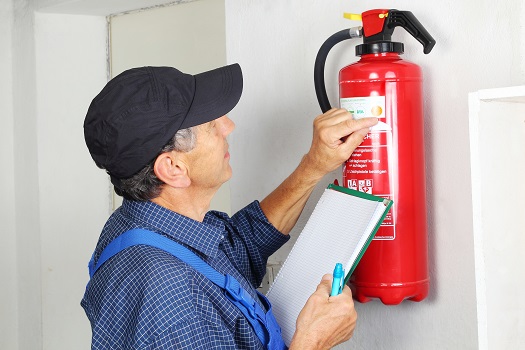
The first step in managing an old unit is checking the pressure gauge to see if it is still pressurized. If the needle is in the red or the unit is decades old, it is time for a replacement. Residents should never attempt to puncture or dismantle a pressurized cylinder themselves, as this can lead to serious injury from flying debris.
Identifying the Type of Unit
Different chemicals require different disposal methods. Most residential units are ABC dry chemical, which contains monoammonium phosphate. While these chemicals are effective at dousing flames, they must be handled by professionals who can safely vent the pressure and collect the powder for proper environmental processing.
Preparing the Unit for Transport
When taking your old unit to a facility, always transport it in an upright and secured position. This prevents the valve from being knocked or the cylinder from rolling around in your vehicle. If the handle or pin is missing, it is wise to secure the trigger with tape to prevent accidental discharge during your drive.
Professional Fire Extinguisher Disposal Florida Services
Florida residents have several options when it comes to professional help. Many local fire equipment dealers offer walk-in services where you can drop off your old units. These experts specialize in fire extinguisher disposal florida, providing a safe alternative to leaving hazardous materials in your garage or shed where they might deteriorate further.
Local Drop-off Locations
St. Petersburg and the surrounding Tampa Bay area have dedicated facilities that accept old extinguishers from the public. These locations often handle the depressurization and recycling at no cost to the resident. This service keeps dangerous pressurized containers out of the local waste stream and ensures the metal is reused.
The Recycling Process
Once a unit is dropped off, it undergoes a specific decommissioning process. Technicians safely remove any remaining pressure and separate the valve from the cylinder. The steel or aluminum body is then sent to a scrap metal recycler, while the internal agents are managed according to state safety guidelines.
Conclusion
Taking the time to properly decommission your old fire safety tools is a hallmark of a prepared homeowner. It ensures that you aren't relying on faulty equipment and that your old units don't pose a risk to others. With free local options available, there is no reason to risk improper disposal in your household trash.
Maintaining a safe home environment requires periodic checks of all safety devices. When you find a unit that is no longer serviceable, follow the local guidelines for recycling. By doing so, you protect your family, your neighbors, and the professional waste collectors who serve your community every day.